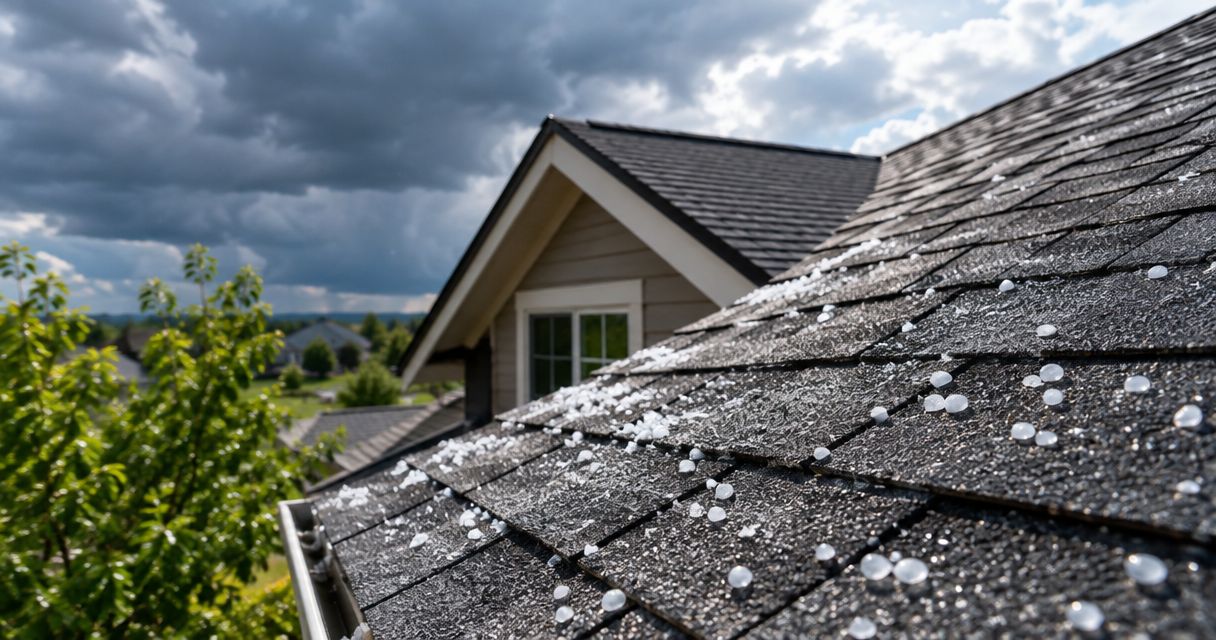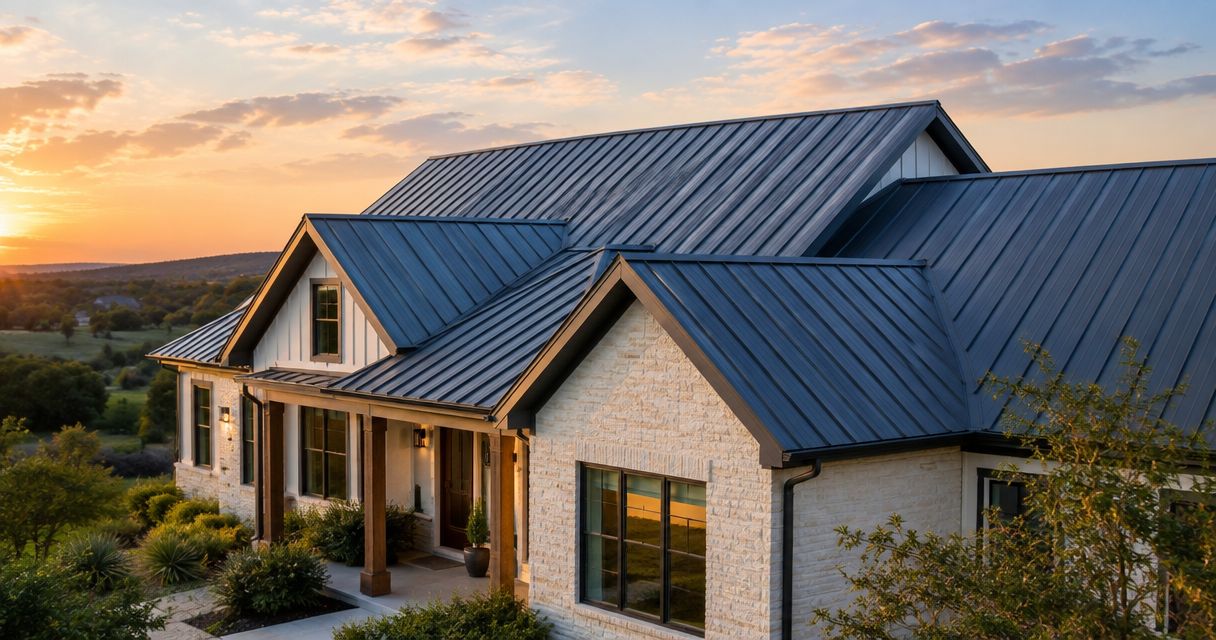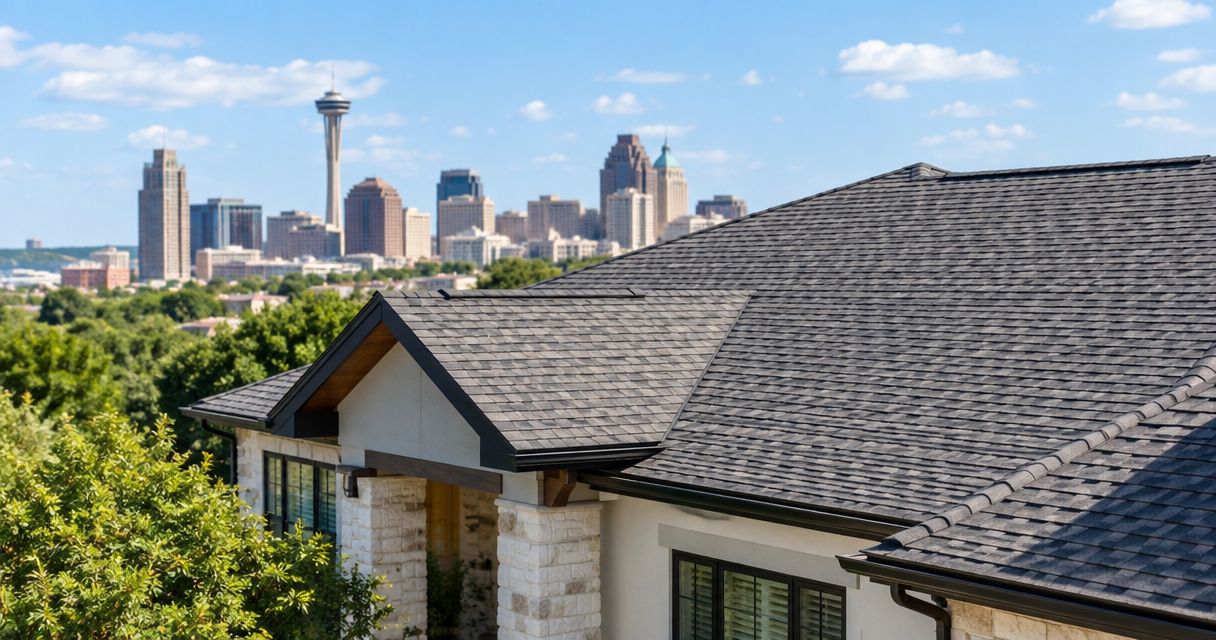
San Antonio homes take a beating from hail, heat, and wind-driven rain every year, and the roofing material you pick determines whether your roof survives the next storm season or ends up on a tarp by 2027. This guide ranks the five materials that actually hold up in South Texas, with honest trade-offs for each.
- Class 4 impact-resistant asphalt shingles are the best overall pick for most San Antonio homes facing regular hail.
- Standing seam metal roofing wins on long-term storm durability and typically outlasts shingles by decades.
- Clay tile suits Spanish and Mediterranean-style homes and reflects heat better than dark shingles.
- TPO membrane is the right call for flat or low-slope sections, not steep residential roofs.
- Insurance discounts for impact-rated materials make Class 4 shingles the default recommendation in 2026.
Why this matters
Hail and straight-line wind events hit San Antonio roofs harder and more often than most other U.S. metros, and a roof rated for a mild climate fails faster here. Eagle Eye Roofing & Contracting Services inspects and documents storm damage across San Antonio and sees the same pattern every hail season: homes with lower-rated shingles get re-roofed twice as often as homes with impact-resistant materials.
The material you choose in 2026 affects three things directly: how many storms you can absorb before a claim, what your insurer charges you annually, and how much you spend on repairs between now and the next full replacement. Picking the wrong material for this climate is the single most expensive roofing decision a homeowner makes.
Best overall: Class 4 impact-resistant asphalt shingles. Best for long-term storm durability: standing seam metal roofing. Best for architectural style and heat reflection: clay tile. Best budget-conscious tile alternative: concrete tile. Best for flat or low-slope sections: TPO membrane roofing.
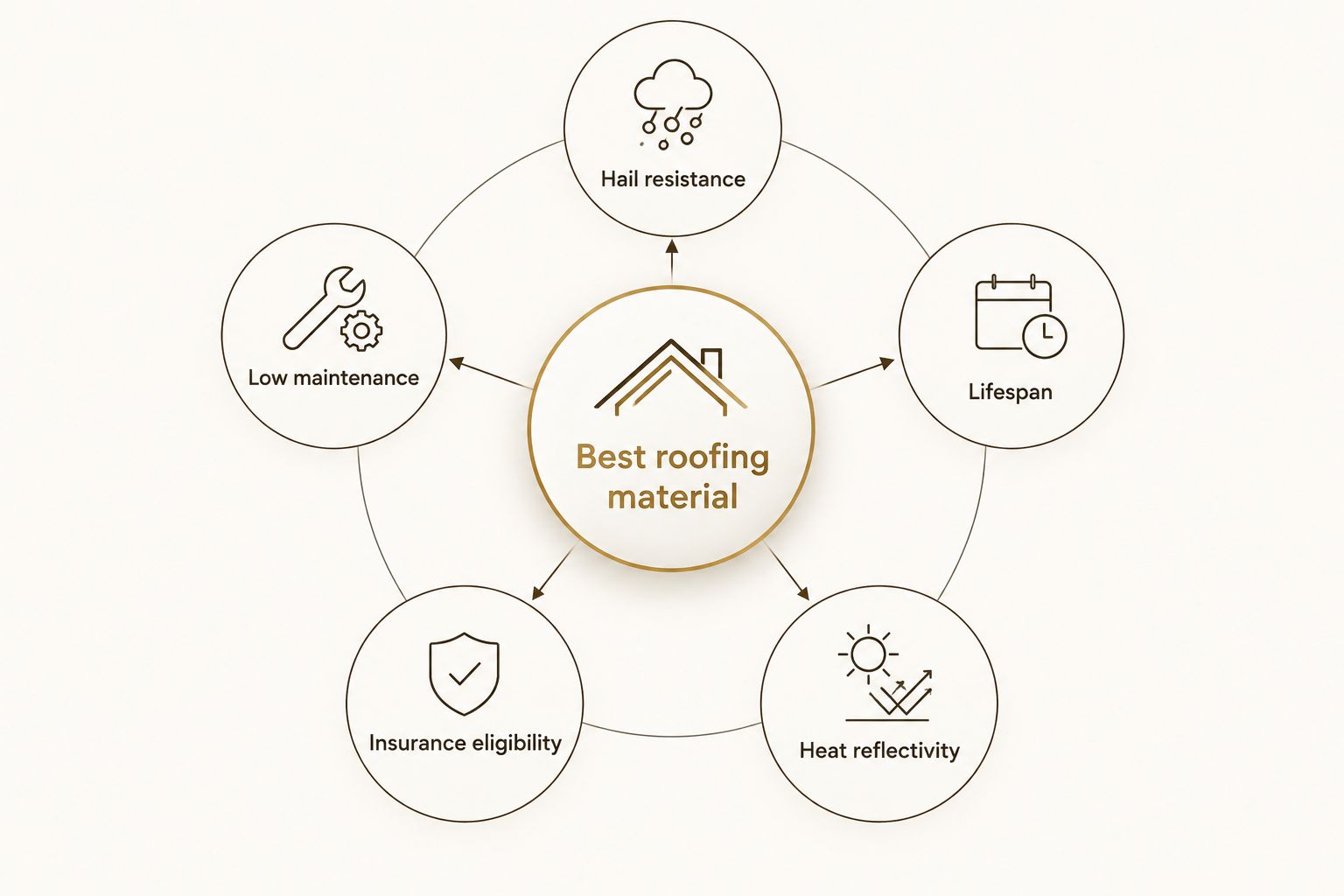
What makes the best roofing material for San Antonio
- Wind and hail rating — materials tested to UL 2218 Class 4 resist cracking under hail impact better than standard shingles.
- Expected lifespan — how many years the material realistically lasts under Texas sun and storm cycles.
- Heat performance — reflectivity and ventilation compatibility that keep attic temperatures and cooling bills in check.
- Insurance impact — whether the material qualifies for impact-resistant roofing discounts from Texas insurers.
- Maintenance load — how often the material needs inspection, resealing, or spot repair.
- Structural and code fit — roof pitch, framing weight limits, and HOA restrictions common in San Antonio neighborhoods.
Best roofing materials for San Antonio homes at a glance
| Material | Best For | Standout Feature | Key Limitation |
|---|---|---|---|
| Class 4 impact-resistant shingles | Hail damage protection | Passes UL 2218 impact testing | Shorter lifespan than metal or tile |
| Standing seam metal roofing | Long-term storm durability | Sheds wind-driven rain, resists cracking | Higher upfront structural planning needed |
| Clay tile roofing | Style and heat reflection | Reflects heat, fits Spanish/Mediterranean design | Individual tiles crack under foot traffic or large hail |
| Concrete tile roofing | Budget-conscious durability | Similar look to clay at lower fragility | Heavier load requires framing check |
| TPO membrane roofing | Flat or low-slope sections | Seamless, reflective white surface | Not suited to steep residential slopes |
1. Class 4 impact-resistant asphalt shingles: best for hail damage protection
Class 4 shingles use a reinforced asphalt mat rated under UL 2218 to resist cracking when struck by simulated hail. They install the same way as standard shingles, so most San Antonio roofers can replace a damaged roof with this upgrade without changing the roof's structure.
Class 4 shingle pros:
- Passes the highest impact rating available for asphalt shingles
- Often qualifies for a homeowners insurance discount in hail-prone Texas counties
- Costs less to install than metal or tile
- Wide color and style selection to match existing neighborhoods
Class 4 shingle cons:
- Lifespan tops out around 20-30 years, shorter than metal or tile
- Granule loss still occurs over time and requires periodic inspection
- Extreme hail can still cause cosmetic bruising even on Class 4 material
Best for: homeowners who want strong hail protection without the higher cost of metal or tile. Verdict: Buy.
2. Standing seam metal roofing: best for long-term storm durability
Standing seam metal panels interlock along raised vertical seams, which eliminates the exposed fasteners and overlap gaps that fail first during wind-driven rain. In San Antonio's storm pattern, that seam design is the main reason metal roofs outlast shingles by decades.
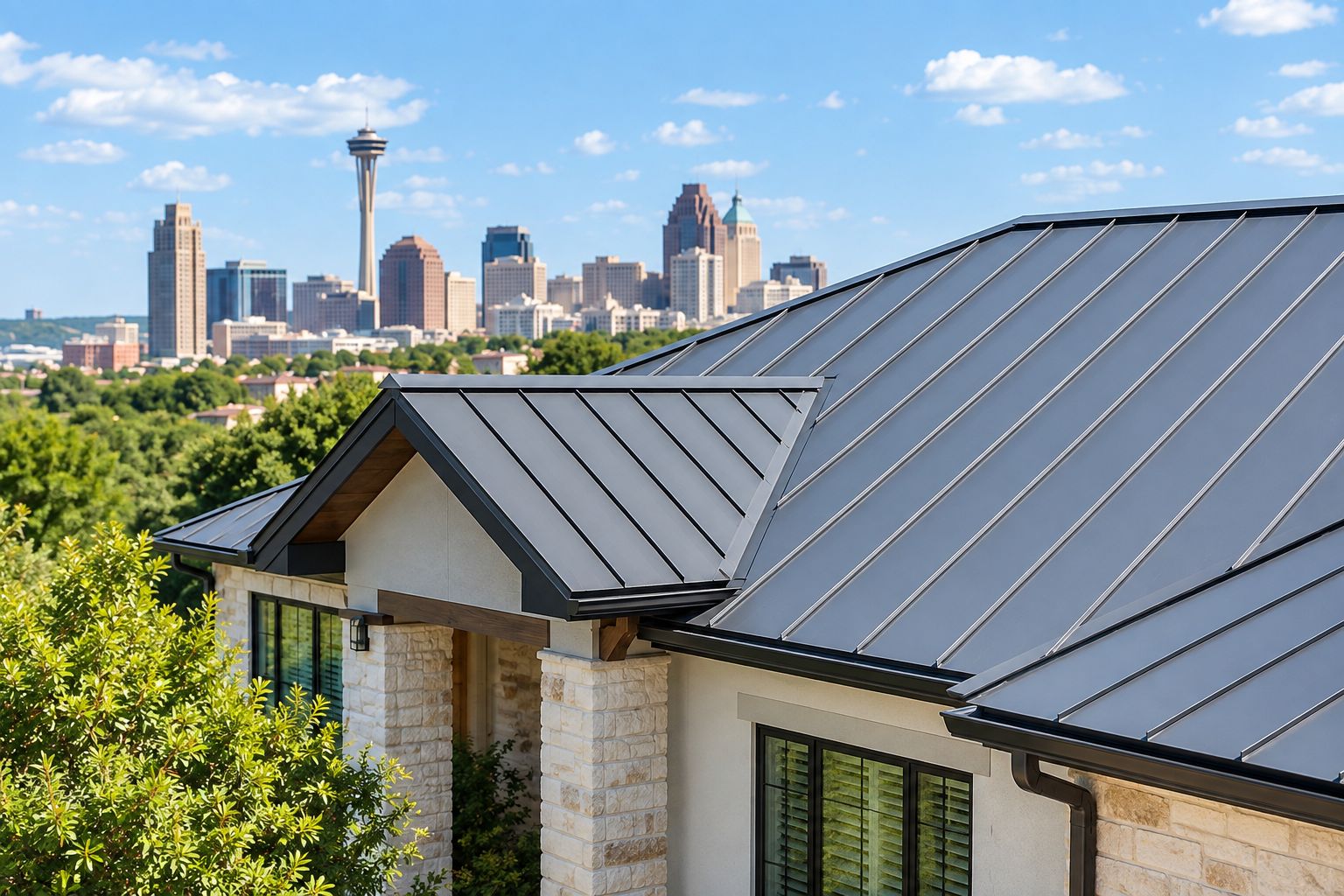
Standing seam metal pros:
- Typical lifespan of 40-70 years with minimal material failure
- Sheds heavy rain and resists wind uplift better than shingle systems
- Reflects heat, which can reduce summer attic temperatures
- Non-combustible, a factor some Texas insurers price favorably
Standing seam metal cons:
- Higher upfront installation cost than shingles
- Can be noisier in heavy rain without added insulation
- Denting is possible under large hail, though cracking is rare
Best for: homeowners planning to stay in the home long-term and wanting one roof to outlast multiple storm seasons. Verdict: Buy.
3. Clay tile roofing: best for architectural style and heat reflection
Clay tile is common on Spanish and Mediterranean-style homes across San Antonio, and it does more than match the architecture. The tile's mass and shape create an air gap under the roof surface that reduces heat transfer into the attic during peak Texas summer.
Clay tile pros:
- Reflects heat and helps lower attic temperatures
- Matches the architectural style of many San Antonio neighborhoods and HOAs
- Resists fire, rot, and insect damage
- Lifespan of 50+ years when individual tiles are maintained
Clay tile cons:
- Individual tiles crack under foot traffic or large hail impact
- Heavier than shingles, requiring a framing check before installation
- Repairing a single cracked tile still requires matching the existing profile and color
Best for: homeowners with Spanish or Mediterranean-style architecture who want heat performance and a 2026-and-beyond lifespan. Verdict: Buy for the right architectural style, Hold otherwise.
4. Concrete tile roofing: best for budget-conscious durability
Concrete tile mimics the look of clay at a different price and weight profile. It holds up well against San Antonio sun and rain cycles, though it doesn't match clay's heat reflectivity or century-plus lifespan claims.
Concrete tile pros:
- Delivers a similar tile aesthetic without clay's higher fragility
- Durable against wind and moderate hail
- Available in profiles that mimic wood shake or Spanish tile
Concrete tile cons:
- Heavier than clay in many profiles, still requiring a structural check
- Less heat-reflective than clay tile
- Individual tiles can still crack under severe hail
Best for: homeowners who want the tile look and durability without clay's higher fragility risk. Verdict: Buy.
5. TPO membrane roofing: best for flat or low-slope sections
TPO is a single-ply membrane heat-welded into a seamless, reflective white surface. It's the standard choice for flat commercial roofs and low-slope additions like covered patios, not for steep residential main roofs.
TPO pros:
- Seamless membrane reduces leak points on flat and low-slope roofs
- Reflective surface helps control heat gain on commercial buildings
- Common choice for commercial roof maintenance programs in San Antonio
TPO cons:
- Not designed for steep residential slopes
- Punctures from foot traffic or debris require prompt patching
- Seam quality depends heavily on installer welding technique
Best for: flat or low-slope commercial roofs and residential additions like covered patios. Verdict: Buy for commercial and flat sections, Skip for steep residential roofs.
How this ranking was built
Each material was weighed against the same six criteria: hail and wind rating, expected lifespan, heat performance, insurance impact, maintenance load, and structural or code fit for San Antonio homes. No material wins across every category, which is why the list splits by use case instead of naming one universal winner.
Homeowners weighing the cost side of this decision alongside material choice can review the roof replacement cost in San Antonio breakdown before deciding between shingles, metal, or tile.
Get a roof material inspection
Inspection and documentation before any material recommendation.
Which roofing material should you choose in 2026?
For most San Antonio homeowners replacing a storm-damaged roof, Class 4 impact-resistant asphalt shingles are the default choice — they balance hail protection, insurance eligibility, and cost better than any other option on this list. If you're staying in the home long-term and want to skip a second re-roof, standing seam metal roofing is worth the higher upfront investment. Homeowners with Spanish or Mediterranean-style homes should stick with clay tile for both the look and the heat performance, and commercial or flat-roof sections belong on TPO membrane, not shingles.
FAQ
What is the best roofing material for San Antonio homes in 2026?
Class 4 impact-resistant asphalt shingles are the best overall choice for most San Antonio homes in 2026 because they balance hail resistance, insurance eligibility, and cost. Metal and tile outperform shingles on lifespan but cost more upfront.
Are Class 4 impact-resistant shingles worth it in Texas?
Yes, Class 4 shingles pass UL 2218 impact testing and often qualify for a homeowners insurance discount in hail-prone Texas counties. They cost more than standard shingles but reduce storm-related claims over the roof's life.
How long does a metal roof last in San Antonio?
Standing seam metal roofing typically lasts 40 to 70 years in San Antonio's climate, well beyond the 20 to 30 year lifespan of asphalt shingles. The interlocking seam design is what drives that extended lifespan under wind and rain.
Is clay tile roofing good for hot climates?
Clay tile performs well in hot climates because the tile's mass and shape create an air gap that reduces heat transfer into the attic. It suits San Antonio's summer heat but requires care around foot traffic and large hail.
Does roofing material affect homeowners insurance rates in Texas?
Yes, many Texas insurers offer premium discounts for impact-resistant roofing materials like Class 4 shingles. The exact discount varies by carrier and county, so homeowners should confirm eligibility with their insurer directly.
What roofing material handles hail best?
Class 4 impact-resistant asphalt shingles and standing seam metal roofing handle hail best among common residential materials. Metal resists cracking almost entirely, while Class 4 shingles resist cracking better than standard shingle grades.
Is TPO roofing good for residential homes?
TPO membrane roofing works well on flat or low-slope residential sections like covered patios, but it is not designed for steep main roofs. Standard residential slopes should use shingles, metal, or tile instead.
How much maintenance does a tile roof need?
Clay and concrete tile roofs need periodic inspection for cracked or slipped tiles, especially after hail events, but otherwise require less maintenance than shingle roofs. Individual tile replacement is straightforward when matched to the existing profile.
One last thing
The roofing material decision most San Antonio homeowners skip is the insurance conversation before the storm, not after it. Confirming Class 4 shingle eligibility with your insurer in 2026, before you file a claim, can change which material makes financial sense for your specific policy.