Class 4 impact-resistant shingles are the only shingle category built to survive Texas hail without cracking, and picking the wrong one costs you a full roof replacement after the next storm. GAF Timberline AS II wins overall for hail-prone areas in 2026, Owens Corning Duration STORM wins for regions that combine high wind with hail, and Atlas StormMaster Shake wins as the budget-friendly Class 4 pick.
- GAF Timberline AS II is the best overall impact-resistant shingle for hail-prone areas in 2026.
- Owens Corning Duration STORM wins for regions with combined wind-and-hail exposure like San Antonio.
- Atlas StormMaster Shake is the best budget-conscious Class 4 option without dropping the impact rating.
- Every shingle on this list carries a UL 2218 Class 4 rating, the highest hail-impact classification available.
- Insurance discounts for Class 4 roofs vary by carrier and state, so confirm eligibility before you buy.
Why this matters
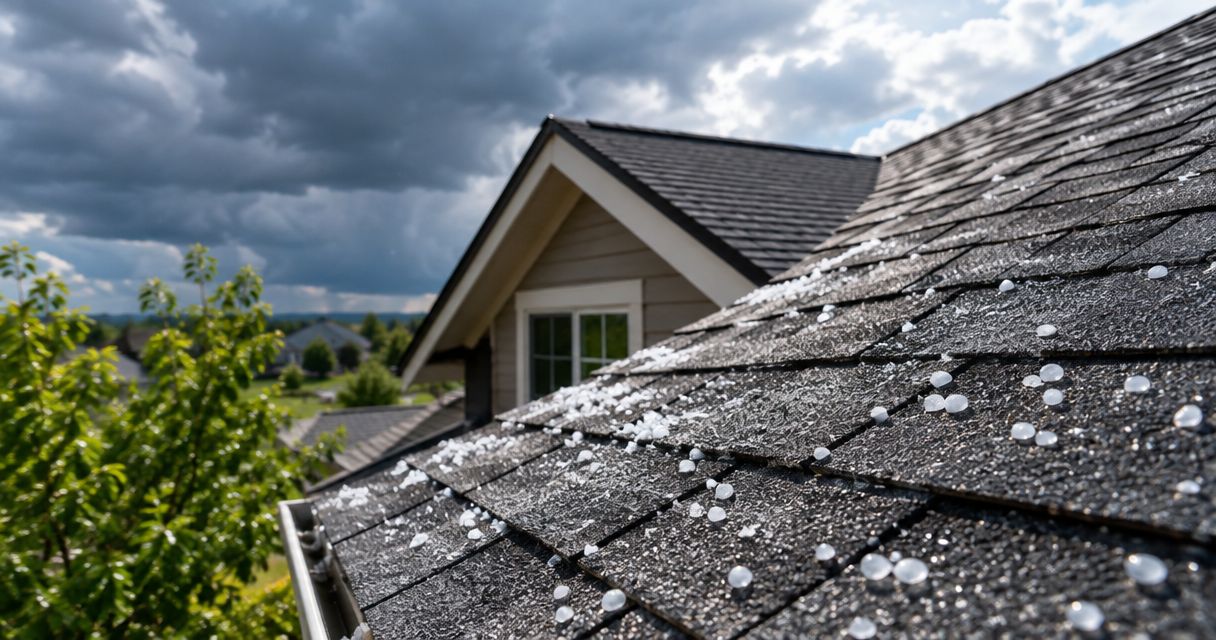
San Antonio sits inside one of the most active hail corridors in the country, and standard 3-tab or architectural shingles bruise or crack on the first significant hailstorm. A Class 4 rating under UL 2218 means the shingle survived repeated impact testing without fracturing the mat underneath — that's the difference between a cosmetic granule scuff and a leak six months later. Eagle Eye Roofing inspects storm damage across San Antonio roofs year-round, and the pattern is consistent: homes with Class 4 shingles come through hail events with far less mat cracking than standard architectural lines.
Commercial property owners face the same exposure with more square footage at risk. If you manage a retail strip, office building, or warehouse roof, the shingle decision runs alongside the broader system choice — see the breakdown of commercial roofing systems for Texas businesses before you lock in a spec.
What makes the best impact-resistant shingle for hail
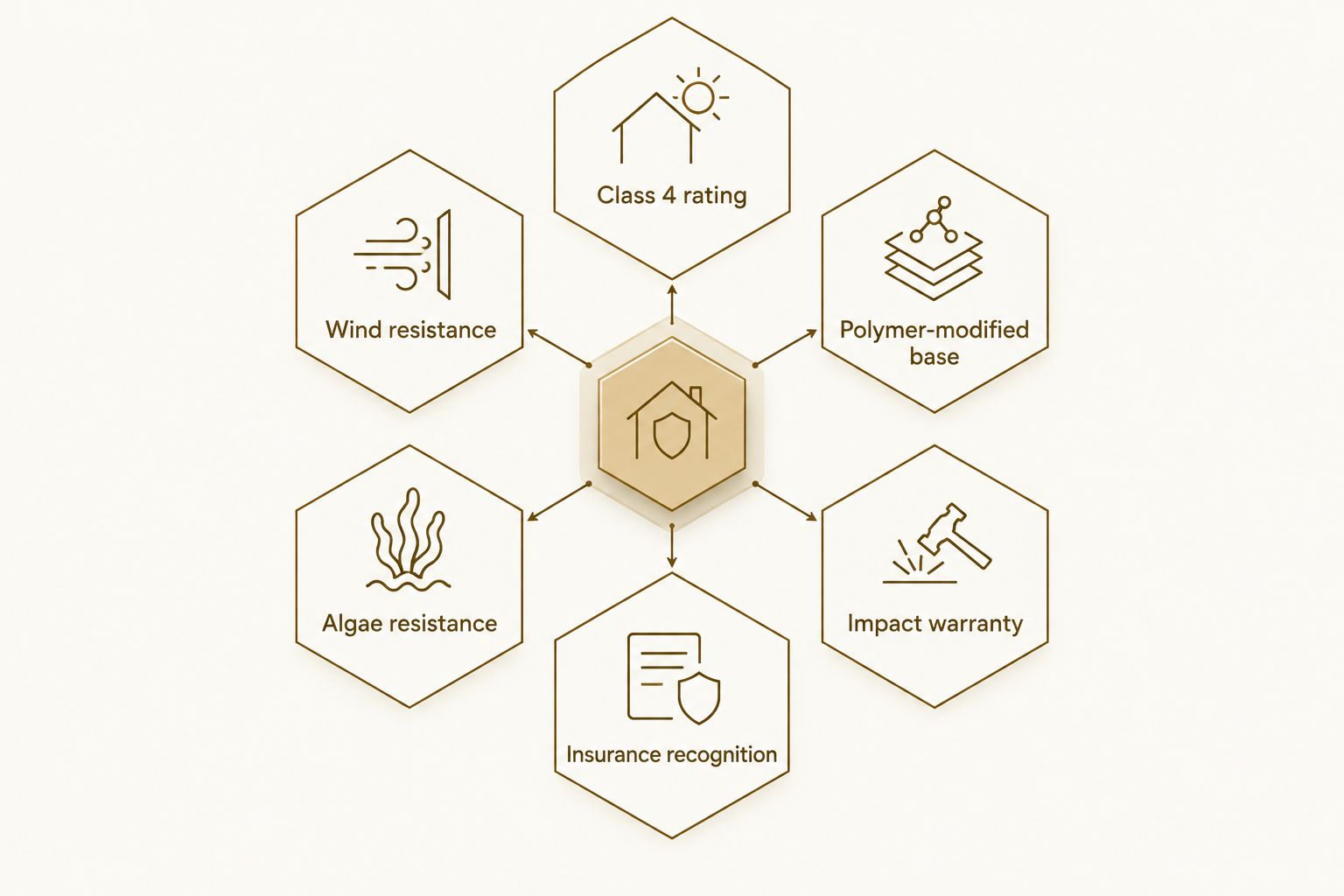
- UL 2218 Class 4 rating — the highest hail-impact classification a shingle can earn; anything lower isn't built for this climate
- Wind rating of 110 mph or higher — hail rarely arrives without wind, so the sealing strip matters as much as the mat
- Polymer-modified asphalt base — rubberized or polymer additives let the shingle flex on impact instead of cracking
- Algae and UV resistance — San Antonio's sun load degrades granules faster than milder climates, so heat tolerance matters as much as impact tolerance
- Manufacturer warranty language that names impact damage specifically — a standard wind-and-workmanship warranty doesn't cover hail
- Insurance recognition — Class 4 roofs qualify for premium discounts with many carriers writing policies in hail-prone states, though the percentage varies by insurer
Impact-resistant shingles at a glance
| Shingle | Best for | Standout feature | Key limitation |
|---|---|---|---|
| GAF Timberline AS II | Overall hail protection | Class 4 rating with LayerLock granule adhesion | Narrower color palette than the standard Timberline HDZ line |
| Owens Corning Duration STORM | Combined wind + hail regions | SureNail strip rated for high wind alongside Class 4 impact resistance | Heavier shingle adds labor time to a tear-off |
| CertainTeed Landmark IR | Curb appeal without dropping protection | Dual-layer laminate that mimics a wood-shake profile | Smaller regional installer network than GAF or Owens Corning |
| Malarkey Vista AR | Extreme heat + hail combo | Polymer-modified rubber base resists cracking under high UV load | Higher weight per square than standard architectural shingles |
| Atlas StormMaster Shake | Budget-conscious Class 4 buyers | Class 4 shake-look profile at a lighter material weight | Thinner profile reads less premium up close |
1. GAF Timberline AS II: best impact-resistant shingle for overall hail protection
GAF's Timberline AS II builds on the standard Timberline HDZ profile but swaps in a Class 4 impact-rated mat and LayerLock technology that locks granules to the shingle surface during manufacturing. It's the closest thing to a default recommendation for a San Antonio roof that needs hail protection without a specialty look.
GAF Timberline AS II pros:
- Class 4 rating on a widely available, widely installed shingle line
- LayerLock granule adhesion reduces granule loss after hail impact
- Backed by GAF's national dealer and installer network, so warranty service isn't tied to one contractor
GAF Timberline AS II cons:
- Color and style options are narrower than the standard Timberline HDZ line
- Premium pricing compared to non-impact-rated architectural shingles in the same family
Best for: homeowners who want a proven Class 4 shingle without a specialty aesthetic. Verdict: Buy.
2. Owens Corning Duration STORM: best for combined wind-and-hail regions
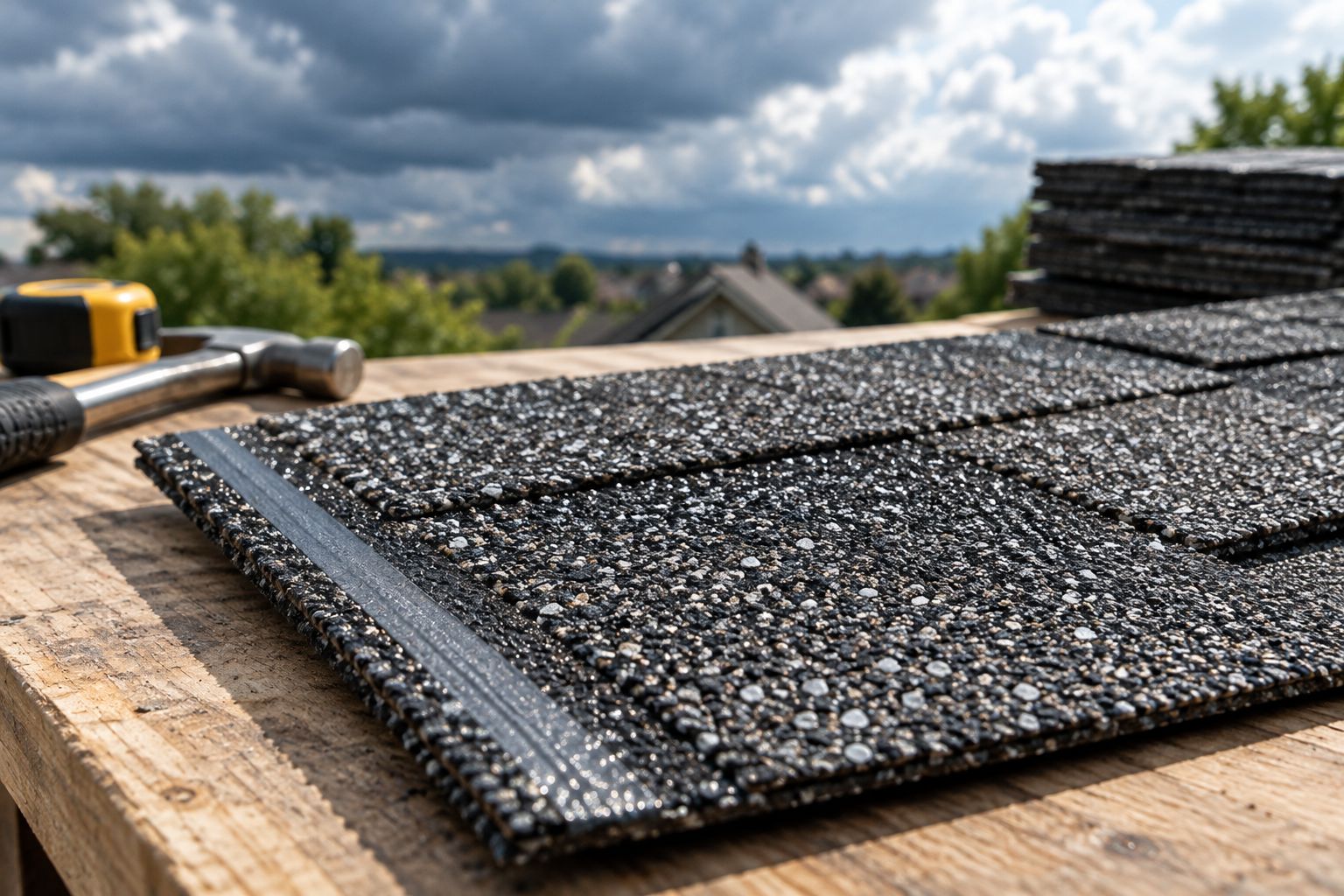
Owens Corning built Duration STORM around its SureNail strip, a reinforced fabric-based sealing system designed to hold in high wind. Pair that with a Class 4 impact rating and you get a shingle designed for the exact combination San Antoio sees during spring storm season: hail arriving on the back of straight-line wind.
Owens Corning Duration STORM pros:
- SureNail strip adds wind resistance most Class 4 lines don't emphasize
- Class 4 impact rating holds up in third-party hail testing programs
- Wide color selection compared to other impact-rated lines
Owens Corning Duration STORM cons:
- Heavier per-square weight adds installation time and labor cost
- Not the most affordable Class 4 option on this list
Best for: roofs in wind-and-hail combo zones where a standard sealing strip has failed before. Verdict: Buy.
3. CertainTeed Landmark IR: best for curb appeal without sacrificing protection
Landmark IR takes CertainTeed's dimensional Landmark profile and adds an impact-resistant layer beneath the laminate, so the shingle keeps its shake-like shadow lines while meeting Class 4 requirements. It's the pick for owners who don't want their roof to look like it's wearing armor.
CertainTeed Landmark IR pros:
- Dual-layer laminate gives a dimensional, wood-shake appearance
- Class 4 rating without a bulky or utilitarian look
- Fits well on higher-end homes where aesthetics matter alongside protection
CertainTeed Landmark IR cons:
- Fewer certified installers in the San Antonio market compared to GAF or Owens Corning
- Lead times can run longer during peak storm-season demand
Best for: homeowners prioritizing appearance who still need hail protection. Verdict: Buy.
4. Malarkey Vista AR: best for extreme heat plus hail exposure
Malarkey builds Vista AR with a polymer-modified rubberized asphalt base, which stays more flexible under sustained heat than standard asphalt formulations. That flexibility matters in a climate where summer roof surface temperatures regularly climb well above the shingle's rated service temperature — see the full comparison of best roof types for hot Texas climates for how shingle materials perform against metal and tile in extreme heat.
Malarkey Vista AR pros:
- Rubberized polymer base resists brittleness after years of Texas summer heat
- Class 4 impact rating holds up alongside the heat-resistance profile
- Reflective granule options available for additional heat management
Malarkey Vista AR cons:
- Heavier than standard architectural shingles, which affects deck loading on older structures
- Smaller market share means fewer contractors stock it on short notice
Best for: homes where summer heat is as much a concern as hail. Verdict: Buy.
5. Atlas StormMaster Shake: best budget-friendly Class 4 option
Atlas StormMaster Shake gets you a shake-look, Class 4-rated shingle at a lighter material weight than the premium options above. It's the entry point for owners who need real hail protection but don't need the heaviest, most premium mat on the market.
Atlas StormMaster Shake pros:
- Class 4 rating at a lower price point than GAF, Owens Corning, or Malarkey premium lines
- Lighter weight reduces structural load concerns on older roof decks
- Shake-style profile adds dimension without the weight of a true dual-layer laminate
Atlas StormMaster Shake cons:
- Thinner profile reads less premium up close than Landmark IR or Duration STORM
- Fewer color and style variations than the top-tier picks
Best for: budget-conscious replacements that still require Class 4 protection. Verdict: Buy.
How we ranked these shingles
Every shingle on this list carries a UL 2218 Class 4 rating — that's the non-negotiable baseline for hail-prone areas in 2026. From there, ranking came down to the five secondary criteria above: wind rating, base material composition, heat and algae resistance, warranty language specific to impact damage, and insurance recognition. None of these shingles were ranked on price, since material cost varies by supplier and market and shifts month to month — for an actual installed-cost estimate on a San Antonio roof, the roof replacement cost breakdown walks through the variables that move the number. If you're comparing shingle brands against other materials entirely, the full rundown of best roofing materials for San Antonio homes covers metal and tile alongside asphalt.
Get a Class 4 roof inspection
Eagle Eye documents hail exposure before recommending a shingle line.
Which impact-resistant shingle should you choose?
If you're not sure where to start, GAF Timberline AS II is the safe default for 2026 — it's Class 4 rated, widely stocked, and installed by a large enough dealer network that warranty service isn't a headache. Step up to Owens Corning Duration STORM if your property has a wind exposure history alongside hail, or to Malarkey Vista AR if summer heat has been as hard on past roofs as storms have. CertainTeed Landmark IR earns the pick when appearance drives the decision, and Atlas StormMaster Shake covers the budget lane without dropping below Class 4.
None of these decisions happen in isolation from the rest of the roof system — deck condition, ventilation, and underlayment all affect how a Class 4 shingle performs over a 2026 storm season and beyond. An inspection that documents existing damage before you commit to a shingle line saves a callback later.
FAQ
What's the best impact-resistant shingle for hail in 2026?
GAF Timberline AS II is the best overall pick for hail-prone areas in 2026, combining a UL 2218 Class 4 rating with wide contractor availability. Owens Corning Duration STORM is the better choice if your area also sees frequent high wind.
Is a Class 4 shingle actually worth it in Texas?
Yes, in hail-prone parts of Texas a Class 4 shingle resists mat cracking that standard architectural shingles don't survive. The upgrade pays off fastest in areas with a documented hail history, which includes most of the San Antonio region.
Do impact-resistant shingles get an insurance discount?
Many insurers writing policies in hail-prone states offer a premium discount for Class 4 roofs, but the amount and eligibility vary by carrier. Confirm the specific discount with your insurance provider before assuming a set percentage.
Do Class 4 shingles prevent all hail damage?
No. Class 4 shingles resist cracking and mat fracture from typical hail sizes but large hailstones can still cause granule loss or cosmetic damage. The rating reduces the risk of a leak-causing crack, not all visible impact.
Are impact-resistant shingles more expensive than standard shingles?
Yes, Class 4 shingles typically cost more per square than standard architectural shingles due to the reinforced mat and polymer additives. Actual installed pricing depends on your roof size and local labor rates.
Can you tell a Class 4 shingle apart from a standard one by looking at it?
Not easily. Most Class 4 lines, including CertainTeed Landmark IR and GAF Timberline AS II, are styled to match their standard counterparts so the impact rating doesn't show up as a visual difference.
Do all shingle manufacturers make a Class 4 option?
Most major manufacturers, including GAF, Owens Corning, CertainTeed, Malarkey, and Atlas, offer at least one Class 4-rated line as of 2026. Availability by region depends on local supplier stock and installer certification.
How long do impact-resistant shingles last?
Impact-resistant shingles carry warranty terms similar to standard architectural shingles from the same manufacturer, typically decades of service life under normal wear. Impact resistance protects against sudden hail damage, not general aging.
One last thing
The UL 2218 Class 4 test isn't a marketing number — it's a 2-inch steel ball dropped from 20 feet onto the same spot on the shingle, twice, with no crack allowed on the underside. That's the actual bar every shingle on this list clears, and it's why a Class 4 rating means something a paint-color upgrade or a warranty length never will.