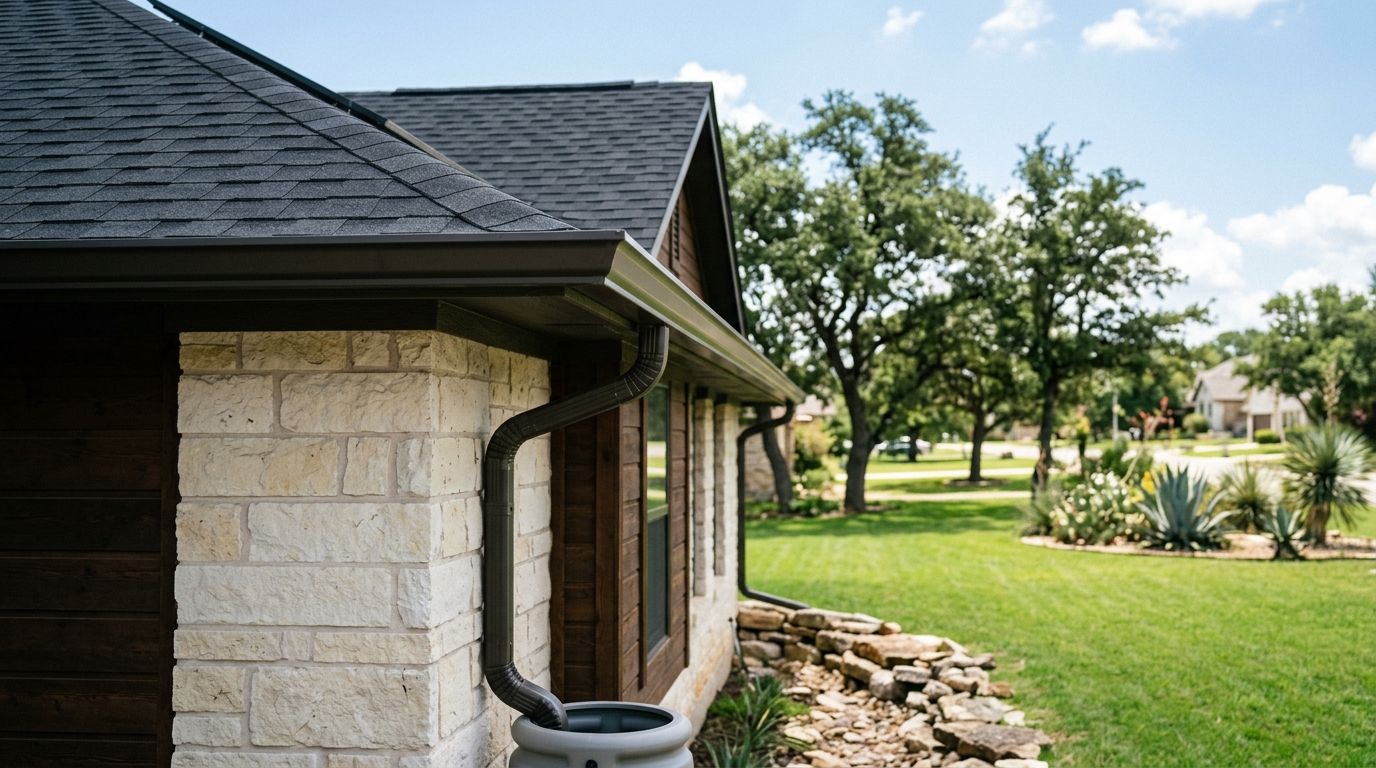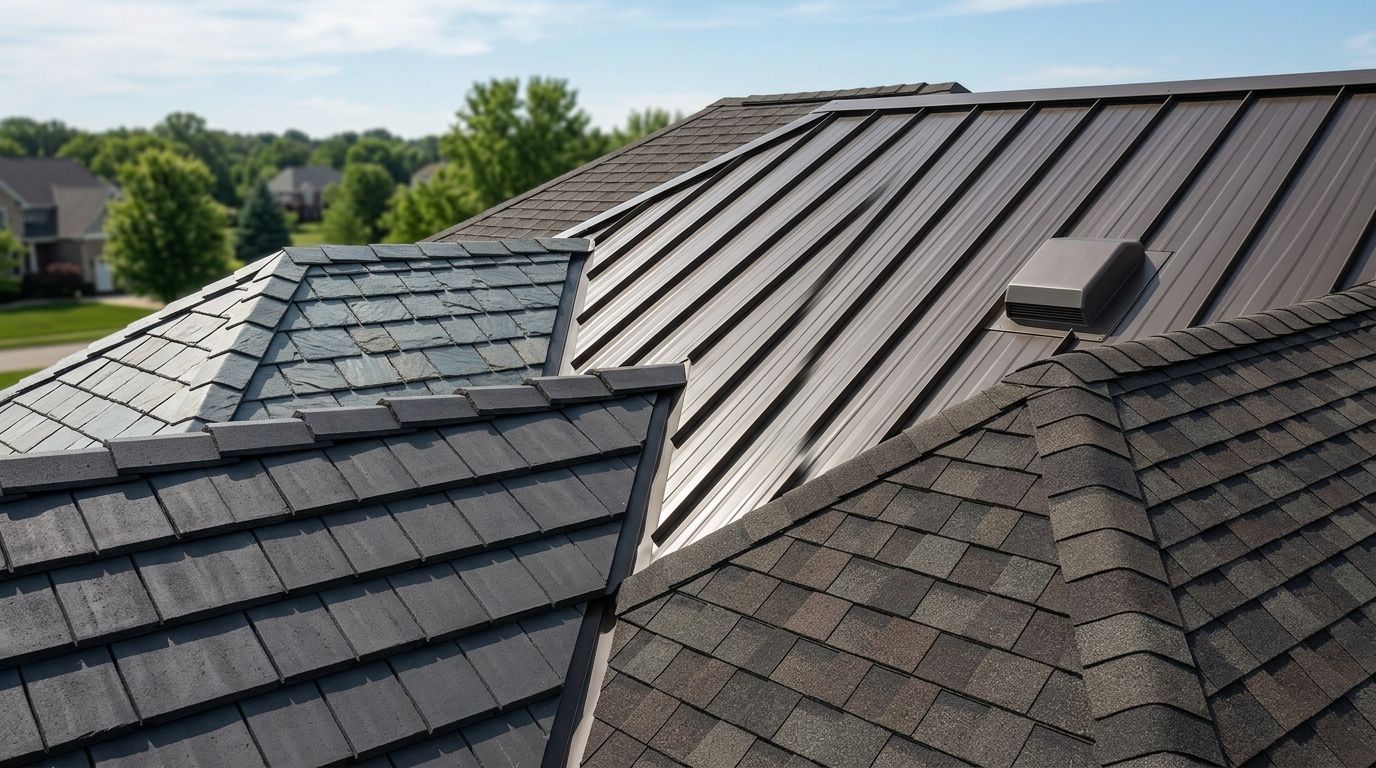
Best overall: standing-seam metal for a steep-slope roof with a properly specified attachment system. Best for hail-focused shingle replacement: Class 4 impact-resistant asphalt shingles. Best for a structure designed to carry a heavier roof: concrete tile. Best for a low-slope commercial roof: a TPO membrane.
- Standing-seam metal is the best overall choice among storm resistant roofing materials for a steep-slope roof when the full assembly is specified for the site.
- Class 4 impact-resistant asphalt shingles are the best hail-focused choice when you want to keep a shingle roof.
- Concrete tile requires a structural check; TPO belongs on low-slope commercial roofs, not in a residential shingle comparison.
- In 2026, compare tested roof assemblies, fastening details and drainage—not material labels alone.
Why this matters in San Antonio
The best storm resistant roofing materials solve different problems. Hail strikes the exposed surface; wind tests how the roof is attached; heavy rain exposes weak flashing, open seams and poor drainage. A material that performs well against one hazard is not automatically the right answer to all three.
For a San Antonio property, the decision starts with the existing roof and the damage you need to address. Eagle Eye Roofing & Contracting Services provides roof repair, replacement and storm damage restoration for homeowners and commercial property owners. Start with the Eagle Eye Roofing & Contracting Services site if your roof needs an assessment rather than a material shortlist.
Two widely used storm thresholds help frame the discussion: the National Weather Service classifies a thunderstorm as severe when it produces hail at least 1 inch in diameter or winds of at least 58 mph. Those thresholds describe weather, not the point at which a particular roof will fail. For a 2026 roof decision, ask what the proposed installed system is designed and approved to withstand at your address.
What makes the best storm-resistant roofing material?
Use these criteria before comparing samples or choosing a color:
- Impact resistance: Ask for the exact product's test classification. UL 2218 Class 4 is an impact-test classification for roofing products, not a promise that hail will leave no damage.
- Wind-rated assembly: Check the covering, fasteners, underlayment, edge details and roof deck together. A product rating alone does not establish how an installed roof will perform.
- Water control: Look at flashing, penetrations, transitions and drainage. Wind-driven rain can enter at details even when the main covering stays in place.
- Structural fit: Confirm the roof slope, deck condition and capacity to support the proposed material. Do not substitute a heavier covering without checking the structure.
- Repair path: Ask how a damaged section would be inspected and replaced. The practical difference between a dented panel, a cracked tile and a punctured membrane matters after a storm.
- Documented scope: Get the specified product, attachment method and vulnerable details in writing before work starts.
These checks separate a material recommendation from a roof plan. In 2026, a quote that names only a covering leaves the most important storm details unanswered.
Storm-resistant roofing materials at a glance
| Material | Best for | Standout feature | Key limitation |
|---|---|---|---|
| Standing-seam metal | Steep-slope roofs needing a strong overall storm choice | Continuous panels with concealed-fastener designs | Hail can dent panels; attachment and edge details still matter |
| Class 4 impact-resistant asphalt shingles | Hail-focused replacement of an existing shingle roof | A clearly identified impact-test classification | Class 4 does not guarantee immunity from hail damage |
| Concrete tile | Roofs designed to carry a heavier covering | Individual units can be assessed for breakage | Tiles can crack, and structural suitability must be confirmed |
| TPO membrane | Low-slope commercial roofs | A continuous roofing system suited to low slopes | Punctures, seams and drainage demand inspection |
The table is a decision tree, not a claim that every metal panel beats every shingle. Match the roof type first. Then compare the exact products and assemblies proposed in 2026.
1. Standing-seam metal: best overall for a steep-slope roof
Standing-seam metal uses long panels joined at raised seams. Concealed-fastener designs keep many attachment points beneath the finished surface, but performance still depends on the panel profile, clips, roof edges, substrate and installation specified for the site.
Standing-seam metal pros:
- Panels provide continuous coverage across broad roof areas.
- Raised seams and concealed-fastener designs reduce exposed fastening points on the main roof surface.
- You can specify the panel and attachment assembly against the project's wind requirements.
Standing-seam metal cons:
- Hail can leave visible dents without creating a leak; appearance and water-tightness are separate questions.
- A panel's performance claim does not cover poorly detailed edges, flashing or penetrations.
- Replacing a damaged panel can involve adjacent panels and trim.
Best for: A steep-slope homeowner who wants a storm-focused roof replacement and is willing to compare complete metal-roof assemblies, not panel samples alone.
Verdict: Buy when the proposal identifies the panel, attachment method, flashing and edge details for your roof. Hold if the proposal relies on a generic claim that metal is stormproof. In 2026, Eagle Eye Roofing & Contracting Services should be evaluated on a documented scope, just like any contractor—not on the material name in a quote.
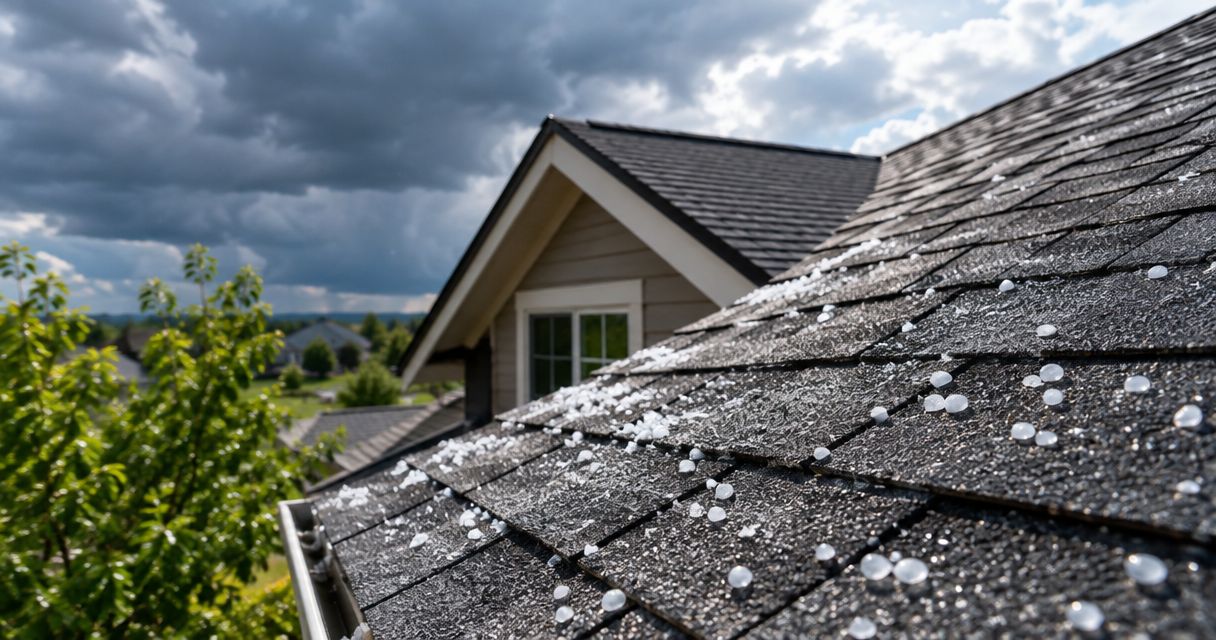
2. Class 4 impact-resistant asphalt shingles: best for hail-focused shingle replacement
Class 4 identifies the highest impact classification under UL 2218. It gives you a defined test result to ask about when comparing shingles; it does not mean a roof cannot be damaged by hail, and it does not replace a separate review of wind resistance.
Class 4 impact-resistant asphalt shingles pros:
- The impact classification makes product comparisons more specific than an unqualified hail-resistant claim.
- Asphalt shingles fit a conventional steep-slope shingle replacement when the roof meets the product's installation requirements.
- Individual damaged shingles can be assessed without treating the roof as a single continuous panel.
Class 4 impact-resistant asphalt shingles cons:
- Class 4 is not a guarantee against leaks, cosmetic changes or storm-related replacement.
- Wind performance depends on the specified shingle and installation details, not the impact classification alone.
- An existing deck or flashing problem remains a problem after new shingles are installed.
Best for: A homeowner replacing a steep-slope asphalt roof who wants a documented impact-test classification without changing to another roofing system.
Verdict: Buy when the proposed shingle's Class 4 classification is identified and the scope covers the deck, underlayment, flashing and fastening. Skip any proposal that uses Class 4 as a substitute for inspecting existing damage. For a 2026 hail decision, Eagle Eye Roofing & Contracting Services can assess storm damage and define a repair or replacement scope; the product classification is only one part of that decision.
3. Concrete tile: best for a structure suited to a heavier roof
Concrete tile is a different choice from metal panels or asphalt shingles. Its weight makes the existing structure a first-order question, and its individual units give an inspector a way to identify cracked or displaced tiles after a storm. Neither point establishes that a specific tile roof is suitable for your property.
Concrete tile pros:
- Individual tiles can be checked for visible cracking and displacement.
- Concrete is noncombustible, though roof fire performance depends on the full assembly.
- The material offers an alternative to panel and shingle roof systems where the structure is suitable.
Concrete tile cons:
- Tiles can crack under impact or foot traffic.
- The roof structure must be assessed for the proposed covering's weight.
- Underlayment and flashing still control water entry beneath the tiles.
Best for: An owner considering a tile roof on a structure confirmed to support it, with a plan for underlayment and tile attachment.
Verdict: Hold until structural suitability and the proposed tile assembly are documented. A 2026 material comparison cannot answer that question from appearance alone. If the structure is not suited to the proposed roof, choose another material rather than treating tile as a cosmetic swap.
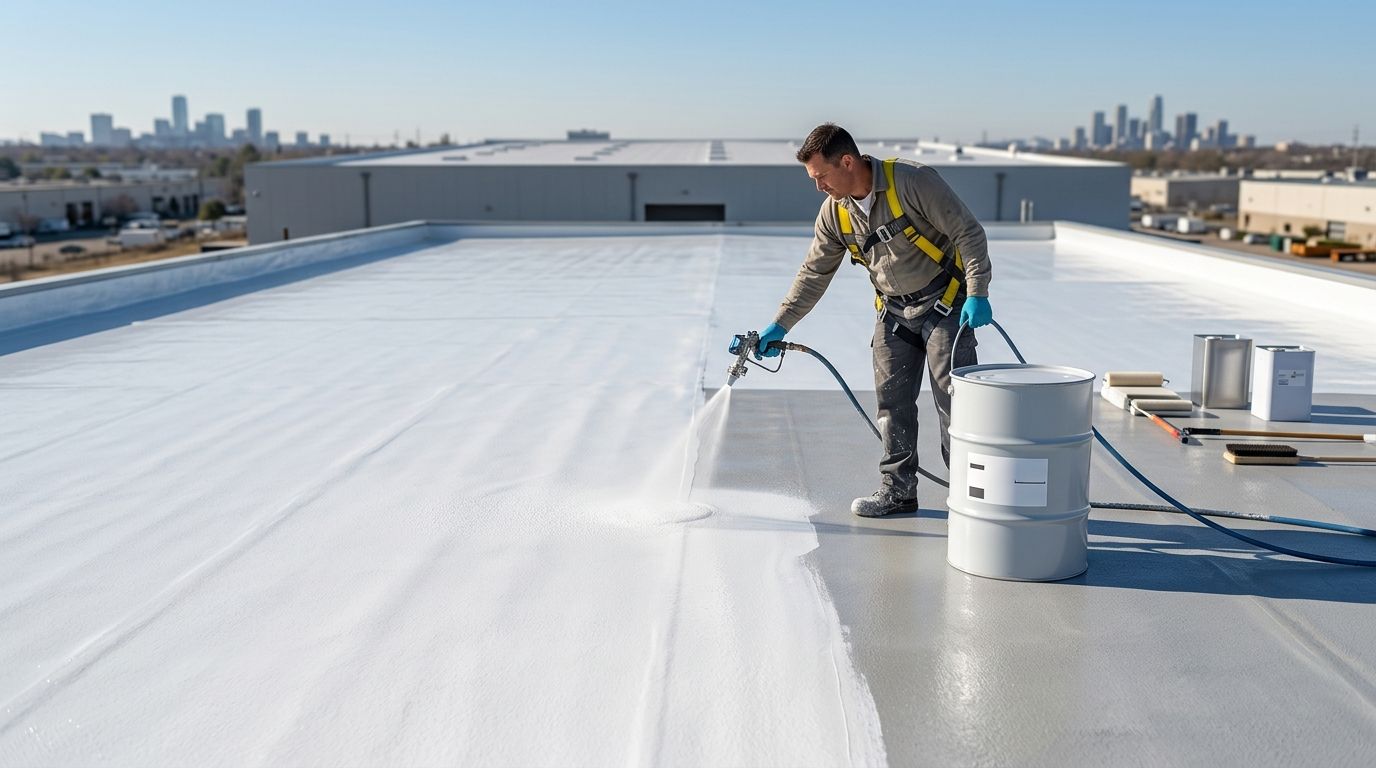
4. TPO membrane: best for a low-slope commercial roof
TPO is a single-ply membrane used on low-slope roofs. It belongs in this guide because commercial property owners face storm, drainage and repair decisions too—but comparing TPO directly with steep-slope shingles ignores the roof's design.
TPO membrane pros:
- It is a roofing system intended for low-slope applications.
- A proposed assembly can specify membrane attachment, insulation, seams, perimeter securement and drainage.
- Membrane surfaces can be inspected for punctures and seam problems after a storm.
TPO membrane cons:
- A puncture can compromise the waterproofing layer.
- Seams and perimeter details depend on correct installation and inspection.
- Ponding and blocked drainage are separate problems a membrane choice alone cannot fix.
Best for: A commercial property owner planning work on a low-slope roof and comparing complete roof-system specifications.
Verdict: Buy as a candidate for a low-slope commercial project, not as a default for every business property. First establish the deck condition, drainage plan, attachment method and repair scope. Eagle Eye Roofing & Contracting Services provides commercial building maintenance as well as roofing services, so the inspection should cover the roof's working details rather than a membrane name alone.
How these materials were ranked
The ranking puts roof fit ahead of broad material claims. Standing-seam metal leads for steep-slope storm resistance because the panel and attachment system can be specified as a complete assembly. Class 4 shingles follow for owners prioritizing a tested impact classification while keeping a shingle roof. Concrete tile requires a structural check before it belongs on the shortlist; TPO serves the separate low-slope commercial use case.
This is not a ranking of every manufacturer or product. No single covering overrides a damaged deck, loose edge, failed flashing or blocked drain. In 2026, ask each contractor to show how the proposed system addresses the conditions found during inspection.
Which storm-resistant roofing material should you choose?
Choose standing-seam metal as the default steep-slope option if you are replacing a roof and can get a complete, site-specific assembly specified. Choose Class 4 impact-resistant asphalt shingles when hail-test classification is your priority and you intend to keep a shingle system. Choose concrete tile only after the structure and roof design are confirmed suitable. For a low-slope commercial roof, compare TPO as a full system instead of borrowing a recommendation meant for a house.
Before approving any 2026 scope, ask for the condition of the existing deck; the proposed covering and underlayment; the fastening and edge details; and the plan for flashing, penetrations and drainage. Separate confirmed storm damage from changes you want to make during replacement. Eagle Eye Roofing & Contracting Services is a veteran-owned contractor serving San Antonio homeowners and commercial property owners; the useful starting point is a documented inspection and a clear scope of work.
Get a roof assessment
Discuss the roof condition and the repair or replacement scope.
FAQ
What are the best storm resistant roofing materials for a San Antonio home in 2026?
Standing-seam metal is the best overall steep-slope choice when the complete assembly fits the roof; Class 4 impact-resistant asphalt shingles are the best hail-focused shingle choice. Inspection, attachment and flashing determine whether either recommendation fits a particular home.
Is a Class 4 shingle hail-proof?
No. Class 4 is a UL 2218 impact-test classification, not a guarantee that hail will leave a roof undamaged. Ask for the exact product classification and inspect the roof after a damaging storm.
Is metal roofing better than impact-resistant shingles in a storm?
Standing-seam metal is the stronger overall recommendation here for a suitable steep-slope replacement, while Class 4 shingles provide a defined impact-test classification for a shingle roof. Compare the exact assemblies and remember that metal panels can dent.
Can concrete tile break during a hailstorm?
Yes. Concrete tiles can crack under impact, so a tile roof needs inspection after a damaging storm. Confirm that the structure supports the proposed covering before choosing tile.
What roofing material works for a low-slope commercial building?
TPO is a candidate for a low-slope commercial building. The choice depends on the deck, drainage, attachment, seams and perimeter details in the proposed assembly.
Does a wind rating cover poor roof installation?
No. A product's rating does not correct loose edges, unsuitable fastening or defective flashing. Review the specified roof assembly and installation scope, not just the covering's rating.
Should I replace my roof after a hailstorm?
Replace a roof when inspection establishes damage that calls for replacement; a hailstorm alone does not answer that question. Document affected areas and compare a repair scope with a replacement scope before deciding.
One last thing
Ask what happens at the roof edge before you choose the material in the middle. Wind, rain and hail do not read a product label, and an unspecified edge detail can undermine an otherwise careful 2026 roof plan.